
Formal wear for older ladies is usually written about as a list of things to avoid, and that framing is the problem. Choosing a formal dress or evening gown after 50 is rarely about hiding anything. It is about reading the dress code correctly, choosing a silhouette that sits well on your frame for four or five hours, and picking a fabric that behaves in the room you will actually be standing in. This guide walks through the silhouettes, sleeve options, lengths, fabrics and colors that consistently work, and it is honest about the combinations that do not.
What is the most flattering evening gown style for women over 50?
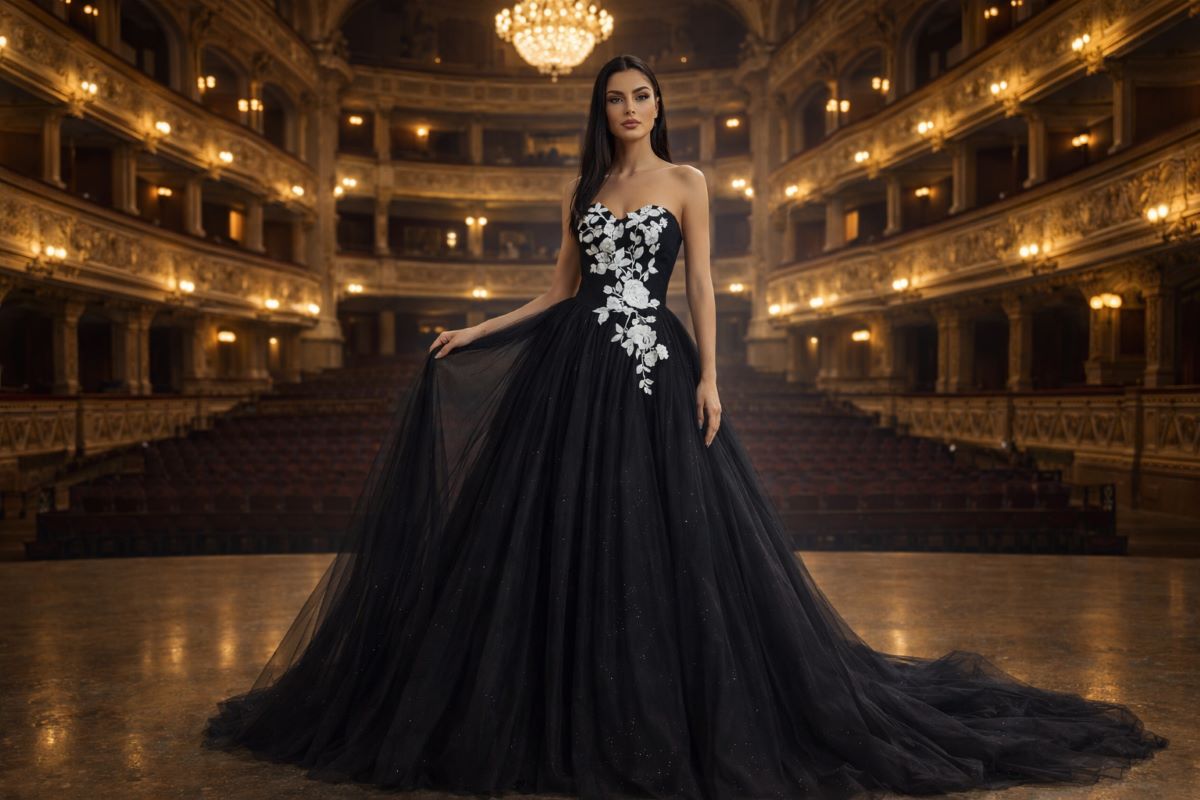
Which evening gown silhouettes are the most reliable after 50? A-line, empire waist and sheath gowns are the three most dependable shapes. An A-line skims from the waist down and gives the hip and stomach room without looking loose. An empire waist lifts the seam just under the bust, which lengthens the line of the body and takes pressure off the midsection. A sheath follows the frame closely and works best on a straighter figure or with the right foundation garment underneath. Beyond that, the deciding factor is the event, not the birthday.
Match the gown to the dress code, not to your age
Most advice about formal dresses for older women opens with restrictions, which is the wrong place to start. The most common mistake is dressing down because of age rather than reading the invitation. A black tie or formal invitation calls for a floor-length gown, and beading, lace or a structured bodice all belong there. Cocktail attire sits a step below, and a midi or knee-length dress reads correctly while a full ball gown does not. Semi-formal leaves room for a tea-length dress or a refined column. Getting the formality right does more for how you look in photographs than any single styling trick.
Venue matters as much as the wording on the card. A hotel ballroom with air conditioning suits velvet, taffeta and heavier beading. An outdoor evening reception in late summer does not, and a chiffon or crepe gown will serve you far better. Our guide to choosing the right length for your evening dress breaks the length question down by event type in more detail.
Sleeves and coverage without losing the formality
Sleeve coverage is the single request we hear most often from this age group, and it is worth being specific rather than vague about it. A long fitted sleeve in stretch crepe or lined lace reads as formal and holds its shape through the evening. A three-quarter sleeve ends at the narrowest part of the forearm and is the safest choice if you are unsure. Flutter and bell sleeves cover the upper arm while keeping movement light, which suits warmer venues. A cap sleeve gives the least coverage of the group and is closer to sleeveless in effect than most shoppers expect.
Illusion mesh and lace yokes deserve a mention because they solve two problems at once. They give the appearance of coverage across the shoulders and upper chest while keeping the dress light, and they let a high neckline sit on a gown that would otherwise be strapless. If arm coverage is your main concern, the guide to dress styles that flatter your arms covers the cut-by-cut differences.
Detachable pieces are worth looking for when one dress has to work for more than one part of an evening. A removable shawl or an overlay that sits on top of a strapless bodice gives you coverage for a ceremony and a cleaner line later, without needing a second outfit. The same logic applies to a bolero or a matched cape, which reads as part of the design rather than as something added afterwards.
Fabric choices that behave for a full evening
Fabric decides comfort more than size does. Stretch crepe and stretch jersey hold their shape, forgive a heavy meal, and do not crease when you sit through a long dinner, which makes them the most practical pair for an event with a seated portion. Chiffon is light and drapes softly, so it suits warm rooms and outdoor receptions, though it needs a good lining to avoid clinging. Satin photographs beautifully and reflects light, but it also shows every line underneath, so it wants smooth foundation garments.
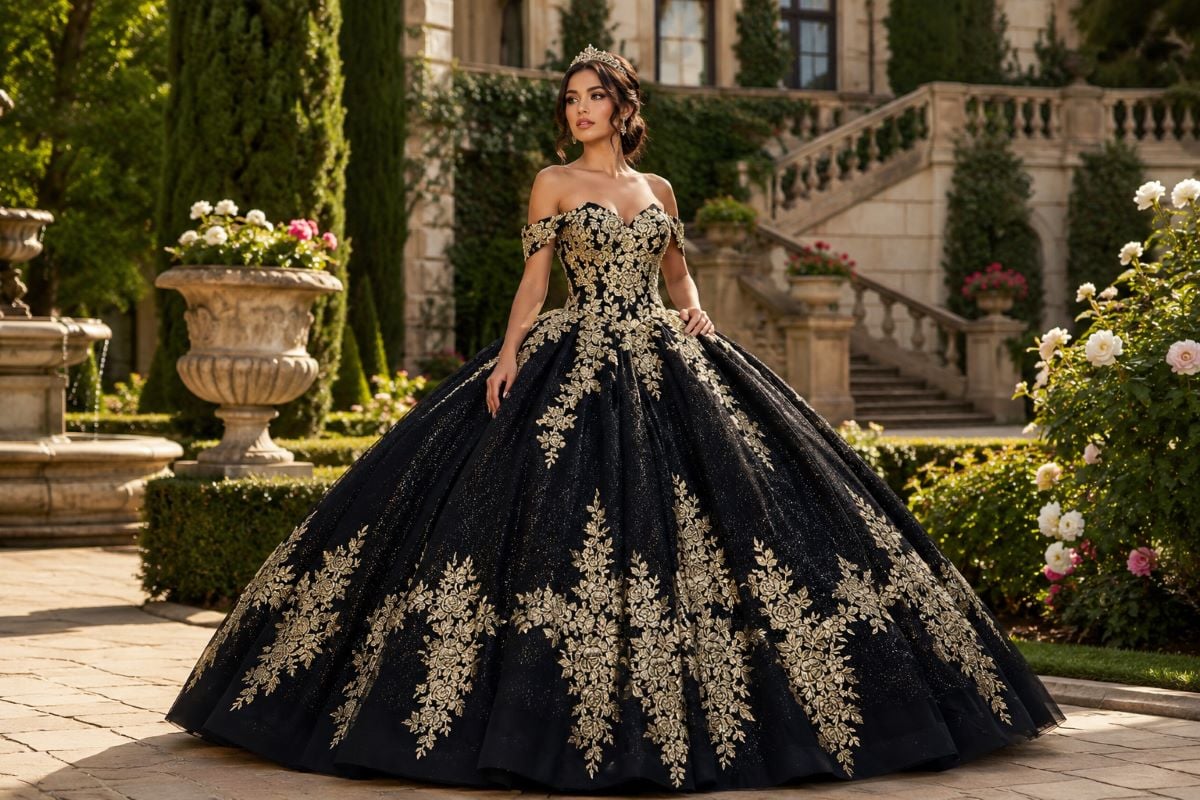
Lace behaves differently depending on how it is built. French lace with light beading gives texture and coverage at the same time and is one of the few fabrics that looks more expensive at a distance than up close. Velvet and taffeta belong to cooler months, and a velvet bodice paired with a taffeta skirt gives structure without stiffness. Heavy all-over beading looks striking in photographs and carries real weight, so it is worth trying on and walking in before committing.
Color, and what actually flatters
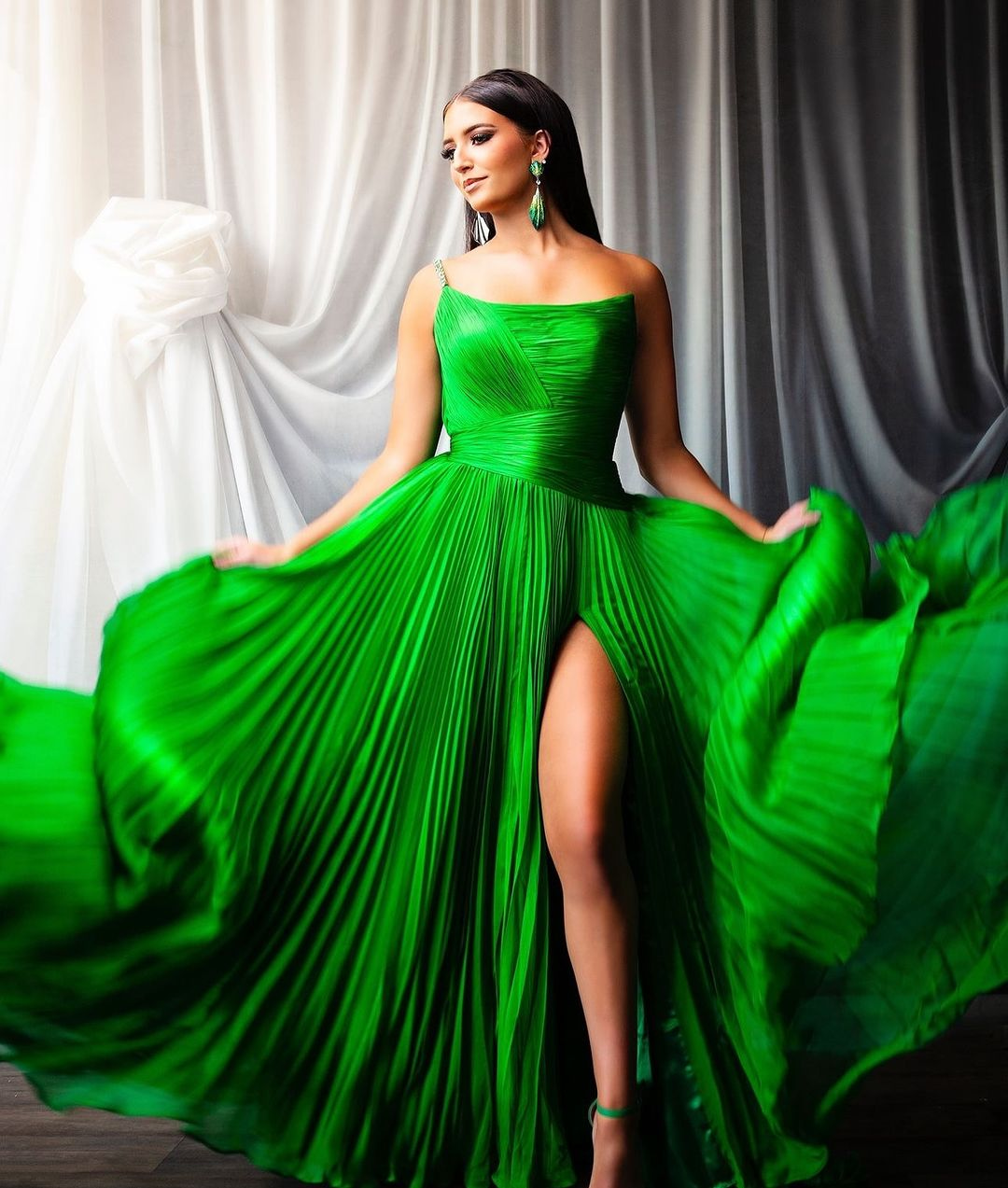
Deep jewel tones are the safest starting point for evening. Emerald, sapphire, burgundy and deep plum read as formal in low light, hold their depth under photography flash, and suit a wide range of skin tones. Navy is the most versatile of the dark shades and looks less severe than black in a room lit by candles. Black is never wrong for black tie, but it can flatten the face without a warmer tone near the neckline, which is where a pearl or a metallic accent earns its place.
Pale shades are not off limits, and the idea that they belong only to younger women is not supported by anything except habit. Champagne, dove grey and soft rose all work, provided the fabric has enough weight or shimmer to avoid looking washed out. If you are choosing between two options and cannot decide, the guide to evening dress color for your skin tone gives a clearer test than a mirror in a fitting room ever will.
One practical note on color. Ask to see a physical swatch rather than trusting a screen, because dye lots and photography lighting both shift how a shade reads. This matters most when you are matching to another outfit in the family or to a wedding palette.
Fit, foundation and the timeline nobody plans for
Almost every formal gown needs some alteration, and the shoulders, bust and hem are where the work usually happens. A gown that fits the bust and shoulders correctly can be taken in at the waist easily. One that is too small across the shoulders cannot be fixed, no matter how good the tailor is, so buy for the widest measurement and have the rest brought in. Our guide to evening dress alterations explains which changes are straightforward and which are not worth attempting.
Give yourself real time. A gown with lace, heavy beading or a boned bodice needs roughly three to four months before the event, because those alterations are slower and often take more than one fitting. A simpler crepe or jersey gown can be handled in eight to twelve weeks. Leaving it later than that narrows your options to whatever happens to be in stock in your size.
Foundation garments are a personal decision and not a requirement. If you would rather skip shapewear entirely, a lined gown in stretch crepe or a dress with a built-in corselette does the same job from the inside. That is often the more comfortable route for a long evening, and it removes the discomfort that makes people fidget in photographs.
Choosing by occasion
A wedding as the mother of the bride or groom carries the most rules, because the gown needs to sit in the family photographs beside the wedding party without competing. Floor length, a considered color agreed with the couple, and a fabric that survives a full day are the three things that matter. The mother of the bride dresses collection is built around exactly that brief.
If coverage is the priority within that group, narrowing to long sleeve mother of the bride dresses saves a lot of scrolling, since the sleeve is already resolved and you are only choosing silhouette and shade.
Formal dresses for women over 50 are often assumed to mean something quiet, and a gala proves otherwise. A charity dinner or an awards evening gives you more freedom and rewards a stronger fabric. This is where beading, a column silhouette or a dramatic sleeve belongs, because the room is built for it. A milestone celebration or an anniversary dinner sits between the two, and a tea-length dress or a shorter column often feels more appropriate than a full gown.
For an evening event without a stated dress code, floor length in a dark tone is the safest answer, and a midi in a rich fabric is the second safest. Browsing evening gowns for formal events by silhouette first, rather than by color, tends to narrow the field faster.
Formal Dress and Evening Gown Questions for Women Over 50
What is the most flattering evening gown silhouette after 50?
A-line, empire waist and sheath are the three most consistently flattering shapes. A-line gives room through the hip and stomach, an empire waist lengthens the body by lifting the seam under the bust, and a sheath suits a straighter frame or a gown with built-in structure. The right choice depends more on your proportions and the event formality than on your age.
Can a woman over 50 wear a sleeveless evening gown?
Yes, and there is no styling rule that says otherwise. If you would prefer coverage, a lace or illusion mesh yoke gives the look of a sleeve without weight, and a matched shawl or cape can be added and removed through the evening. The decision should come from what you feel comfortable in, not from an assumption about age.
What fabric is most comfortable for a long formal evening?
Stretch crepe and stretch jersey are the most comfortable for an event with a long seated portion, because they hold their shape and resist creasing. Chiffon suits warm rooms and outdoor receptions when it is properly lined. Velvet and taffeta belong to cooler months and give structure, while heavy beading adds real weight that is worth testing before you commit.
Should the dress be floor length or midi?
Read the invitation rather than guessing. Black tie and formal both call for floor length. Cocktail attire calls for a midi or knee-length dress, and a full gown will look out of place. Semi-formal leaves room for either a tea-length dress or a refined column, so the venue and time of day become the deciding factors.
How far ahead should the gown be bought?
Allow three to four months for a gown with lace, heavy beading or a boned bodice, since those alterations are slower and usually need more than one fitting. A simpler crepe or jersey gown can be ready in eight to twelve weeks. Buying later than that limits you to whatever is already in stock in your size.
Which colors work best for evening events?
Deep jewel tones such as emerald, sapphire, burgundy and plum hold their depth in low light and photograph well. Navy is the most versatile dark shade and reads softer than black. Pale tones including champagne, dove grey and soft rose all work, provided the fabric has enough weight or shimmer to avoid looking washed out.
Where to try these gowns on
Nothing on this page replaces standing in the dress. Fabric weight, sleeve movement and how a bodice sits are things you can only judge in person, and a fitting is also where alteration questions get answered properly. To see these styles in your size and get the fit assessed before you buy, visit an authorized Jovani retailer near you.